



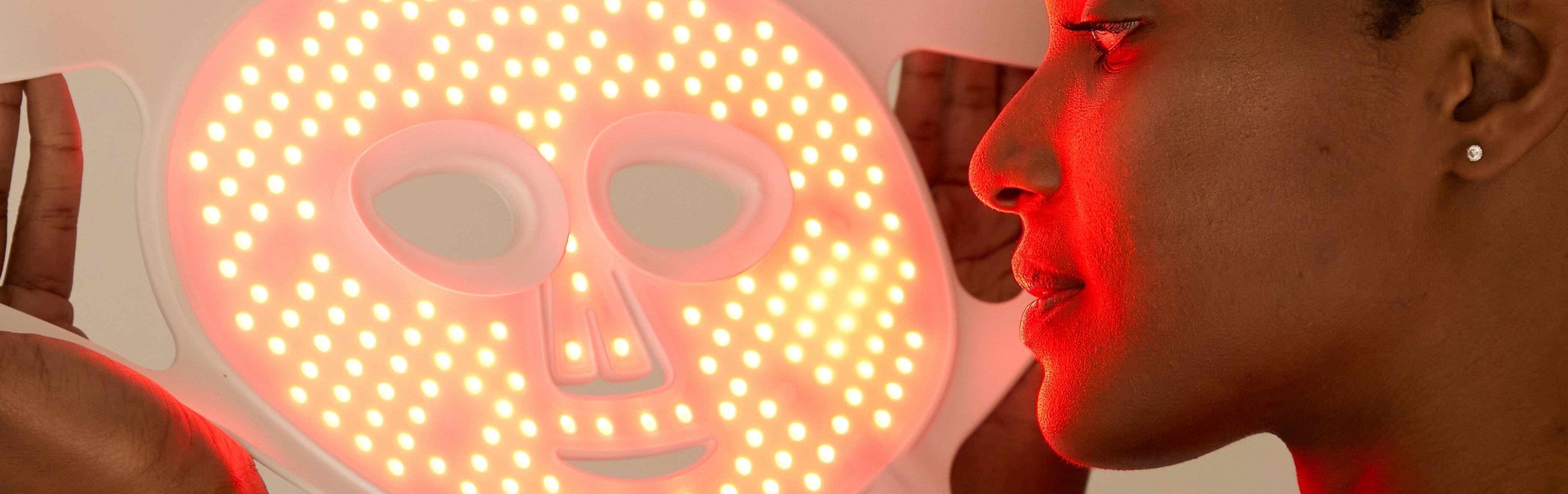
Hard Shell vs. Flexible Silicone LED Masks: Which Is Right for You?
Wellness tech has never been better, and advances in skincare technology have made LED light therapy treatments more accessible for at-home routines. Red light therapy can support healthier-looking skin by stimulating cellular processes involved in collagen production, helping improve the appearance of fine lines, wrinkles, and uneven texture over time. But with such a wide variety of options on the market (including Project E’s)—offering a mix of different LED light colors and materials—choosing the right one can feel overwhelming.
Each kind of LED light therapy mask offers a different benefit to your skin’s health and overall appearance. The good news is that, when used according to manufacturer instructions, LED light therapy is generally considered safe and non-invasive, with temporary redness or sensitivity being possible for a minority of users. Since we lose about one percent of collagen annually after 25, it’s important to use tools like red light therapy to maintain the skin’s appearance.
The Science behind LED light therapy?

LED light therapy also known as photobiomodulation, uses specific wavelengths of light to interact with skin cells. Red light (wavelength of 630 nanometers) and Blue light (wavelength of 460 nm) are two popular colors you'll find across the market. These are known for their anti-aging and anti-congestion (e.g. acne and blackheads) effects. Red light therapy encourages cell repair and collagen production, which can help reduce the appearance of fine lines. Blue light, on the other hand, is antibacterial and has been studied for its ability to kill acne-causing bacteria.
Below, we cover everything you need to know about how to pick the best LED light therapy masks for your needs, including if a hard or soft LED mask is better and which one to pick based on your given situation.
Which LED Mask Is Better: Hard Shell Versus Flexible Silicone?
After the light options offered in a mask—some have red only, while others offer a range of colors including green and blue as well—the next big choice to make is about its form. Namely, this involves choosing between a hard shell mask (as the name suggests, it’s a rigid, face-shaped structure) or a flexible one (that is often soft, bendable around the face, and more adjustable). This is entirely down to preference and there are pros and cons to both types of masks. Rather than asking Which LED Mask Is Better, it’s best to ask, ‘which is better for me?’ Treatment times vary by device, so always follow the manufacturer's recommended schedule.
What Are the Benefits of Hard Shell LED Masks?
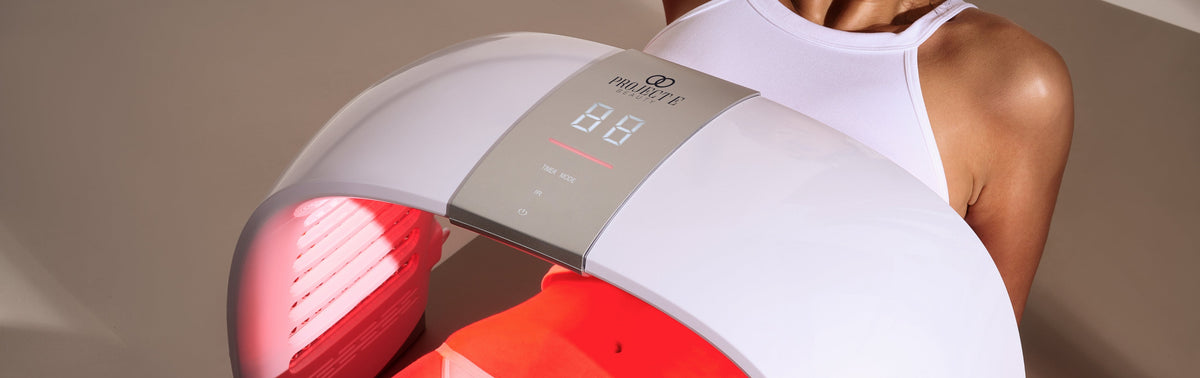
A hard LED mask, sometimes called a hard shell domed LED mask, is one of the most common types. These inflexible masks are usually sculpted to look like a face and fit nearly flush over yours, or they take after a similar shape and still sit comfortably on the skin. Some hard shell designs offer consistent positioning of LEDs and structured coverage, although performance depends on the device's LED placement, wavelength selection, and power output. They tend to be easier to talk in, especially when they’re not tight on the face, but forget about eating or drinking with any kind of light therapy mask.
A hard shell LED mask’s downside is its spaciousness. These are ideal for home use and require a dedicated storage space, as to not crack, break, or deform the mask. Some options, especially the bulkier ones, will feel heavy on the neck and less comfortable for use while standing or sitting up.
What Are the Benefits of a Flexible LED Mask?
Flexible silicone LED masks, instead of being sculpted after a face, usually lie flat and feature a silicone exterior layer, in addition to an interior layer speckled with light outputs. There are several benefits. To start, it’s easier to mold these to your face (or neck!) for a custom fit. This style is less of a hassle to pack and store, which is especially important for frequent travelers or for someone with limited space.

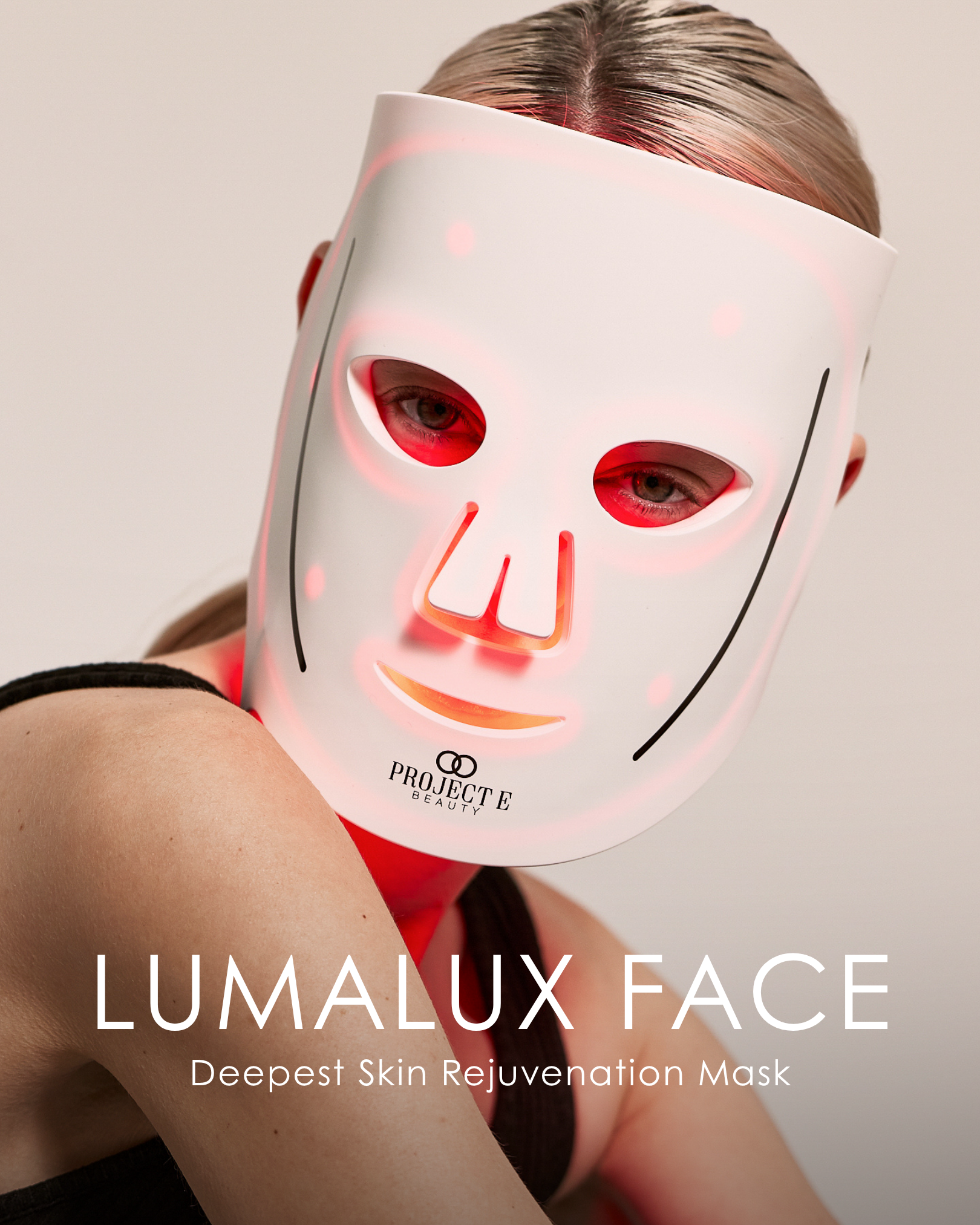
Project E’s LumaLux Face Mask, crafted to support a more youthful-looking complexion through clinically studied wavelengths, is an ideal choice for someone shopping for a flexible silicone face mask. This beauty tech offers eight different wavelengths, including deep infrared light (which can reach deeper layers of tissue and target chronic inflammation, on top of the other anti-aging effects). Project E’s soft shell mask has 800 high-grade LEDs designed to provide extensive coverage, including in areas prone to fine lines like around the eyes and smile. 92 percent of participants in a Project E survey reported an improvement in their skin elasticity, while 75 percent noticed a significant reduction in deep wrinkles.
The downside here is some silicone masks’ LEDs are sparse and spaced out, granting blind spots in coverage on the face. When shopping for yours, make sure the LED density offers full coverage, rather than leaving major gaps of skin. Pay close attention to the eyes and edges of the face, where coverage may be missing.
Is a hard or soft LED mask better? Neither hard shell nor silicone LED masks are inherently better for red light therapy. There are great options across both types. Instead, it’s a question of who it’s better for. If you tend to be on the go and want something that’s less of a hassle to store, we recommend a soft and flexible silicone LED light therapy mask. For something bulkier but with good light dispersal—and sometimes a higher price—shop for a hard shell.
Other Things to Consider
While LED masks, like Project E’s, are a great tool to maintain your skincare routine at home, there are some downsides. Light therapy masks may be non-invasive, needle-free, and require no downtime—this skincare treatment trifecta is always a plus—but that also means these have limited effects. For more intense concerns like deep-set lines and well-formed wrinkles, more involved treatments usually yield better results. Consider your skincare goals and what role an LED mask can help in achieving them. For most, the light therapy shells, soft or hard, can be an important aid. But, for many, they also can’t be the only tool or therapy.
Conclusion
So, is a hard or soft LED mask better? The answer depends on your priorities: hard shell masks may appeal to users who prefer structured coverage, while flexible silicone masks often provide greater comfort and portability. For those looking for a flexible LED light therapy mask that combines comfort, coverage, and advanced wavelength technology, Project E’s LumaLux Face Mask is worth exploring.
Frequently Asked Questions
How do you properly clean a flexible silicone vs. hard shell LED mask?
Both mask types should be gently wiped down with a damp microfiber cloth or alcohol-free wipe. Hard shell masks clean slightly faster due to their smooth exterior, while flexible silicone masks require extra attention around interior LED light bulbs and flexible folds.
Which type of LED mask is better for travel?
Flexible silicone LED masks are significantly better for travel. Their soft, pliable design allows them to pack flat or roll easily into suitcases without breaking. Hard shell masks are bulky, heavy, rigid, and prone to cracking under pressure during travel.
Which LED mask design is better for blemish-prone skin?
Hard shell masks can be slightly better for severe break outs because they sit off the skin, reducing sweat buildup and friction. However, flexible silicone masks are completely safe if sanitized thoroughly after every single use to prevent bacteria accumulation on the face.

LumaLux Face | Pro LED Red Light Therapy Mask
Our most advanced LED mask for deeper skin renewal - fine lines, acne, hyperpigmentation, skin texture

Lumamask Pro | LED Red Light Therapy Face Mask
Most advanced anti-aging + anti-acne light therapy treatment combining red, infrared and blue for deep skin renewal




Leave a comment
This site is protected by hCaptcha and the hCaptcha Privacy Policy and Terms of Service apply.