






Everything You Need to Know About Sharing Your Red Light Device (With Pets)
IN THIS ARTICLE
- 01 What is red light therapy for pets?
- 02 Can I share my red light device with my pet?
- 03 Is red light therapy safe for pets?
- 04 Benefits of red light therapy for pets
- 05 Which LED light therapy device should I use for my pets?
- 06 How to use red light therapy for pets
- 07 Conclusion
Red light therapy has earned its place in modern skincare routines—but it’s not just humans benefiting from it. If you’ve ever caught yourself wondering, “Can I share my red light device with my pet?”, you’re not alone.
With growing interest in red light therapy for pets, more people are exploring how their at-home devices might support their furry companions. Let’s break down what’s safe, what’s effective, and what you should know before sharing.
What is red light therapy for pets?
Red light therapy uses specific wavelengths of light—typically red (around 630nm) and near-infrared (around 850nm)—to support cellular function.

In animals, this approach is being explored in veterinary medicine to help with:
- Wound healing
- Inflammation
- Joint discomfort
- Post-surgical recovery
The idea is simple: light energy penetrates the skin and may help cells repair and regenerate more efficiently. This is why you’ll often hear terms like red light therapy for canines or red light therapy for animals becoming more common in pet wellness spaces.
Can I share my red light device with my pet?
Yes—but with caution.
While many at-home devices are designed for human use, studies suggest that red light therapy can be safe for animals when used appropriately. However, your device wasn’t specifically calibrated for your pet’s anatomy, so adjustments are key.
Before you begin:
- Always consult your vet
- Start with shorter sessions
- Observe your pet’s behavior closely
Think of it less as a direct “shared routine” and more as a carefully adapted one.
Is red light therapy safe for pets?
Generally, red light therapy is considered non-invasive and low-risk, making it appealing to pet owners seeking gentle support options.
That said, safety depends on how you use it.

Here are a few important guidelines:
- Avoid the eyes: Never shine LED light directly into your pet’s eyes
- Adjust for fur: Thick coats may block light, so positioning matters
- Monitor heat and comfort: Your pet should remain relaxed throughout
- Check with your vet: Especially for underlying conditions
Because animals can’t tell you if something feels off, your awareness is essential.
Benefits of red light therapy for pets
Interest in red light therapy for dogs and cats is growing for a reason. While research is still developing, early findings suggest several potential benefits:
-
Supporting wound healing
Red light therapy may help speed up tissue repair, making it useful for minor wounds or recovery support.
-
Easing joint pain
For aging pets, especially dogs, red light therapy is often explored for joint discomfort and stiffness.
-
Post-surgical recovery
Some vets use light therapy to support healing after procedures by reducing inflammation.
-
Improving mobility
By supporting circulation and reducing stiffness, pets may move more comfortably over time.
These benefits make red light therapy for pets' wound healing and recovery a particularly interesting area—but again, it should complement professional care, not replace it.
Which LED light therapy device should I use for my pets?
If you’re considering sharing your device, versatility matters.
Project E Beauty devices are designed for human skincare, but their flexible formats make them adaptable for broader wellness routines:
For targeted areas:

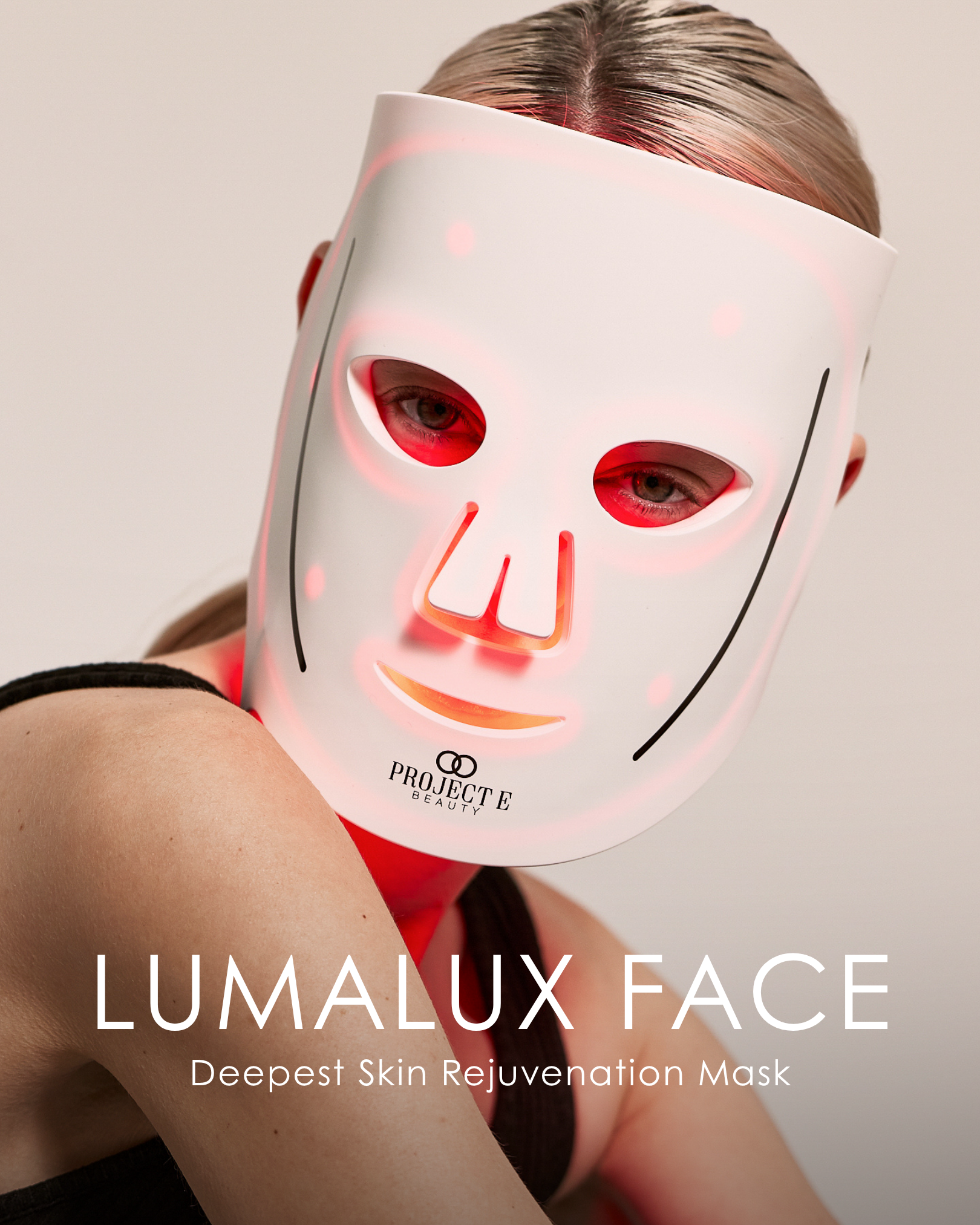
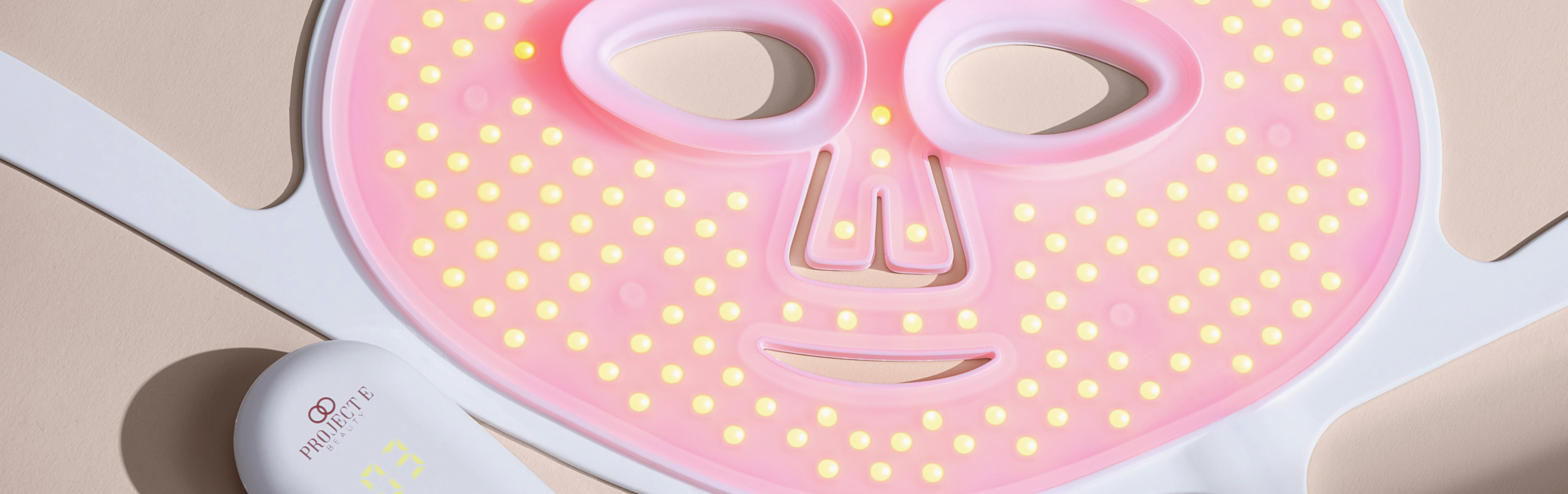
LumaLux Face | Pro LED Red Light Therapy Mask
Our most advanced LED mask for deeper skin renewal - fine lines, acne, hyperpigmentation, skin texture
For extended coverage (face + neck):

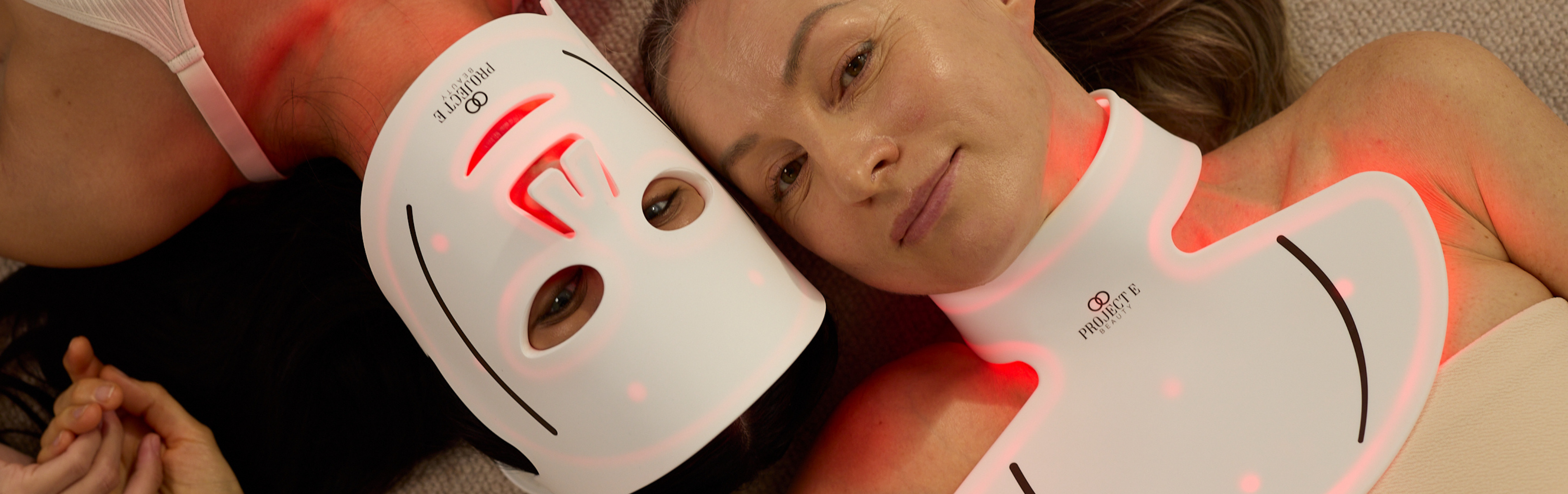
LumaLux Face+ | Pro LED Red Light Therapy Face & Neck Mask
Red, infrared, deep infrared for fine lines, blemishes, and hyperpigmentation, dryness
For larger areas or body use:

Alora | Age Renewal LED Light Therapy Panel
Target up to 5 skin layers with advanced blue, infrared and red light therapy contour panel
For flexible positioning:

LumaLux Dome | Face & Body LED Red Light Therapy Device
8 wavelength full body LED light therapy device for skin rejuvenation, fine lines, acne, muscle recovery and mood boost
These devices use multi-wavelength LED systems (including red and infrared light), designed to support skin renewal and recovery in humans.
If you’re new to wavelengths, this guide explains the differences clearly:
The Difference Between Infrared and Red Light Therapy
How to use red light therapy for pets
If your vet gives you the green light, here’s how to approach sessions safely:
- Keep sessions short (start with a few minutes)
- Use a calm environment so your pet stays relaxed
- Hold or position the device at a safe distance
- Focus on specific areas (like joints or healing spots)
- Watch for reactions during and after use

Consistency is more important than intensity. Gentle, regular sessions tend to be the most effective approach.
If you’re wondering about session limits, this article is a helpful reference:
What Happens If You Overdo LED Light Therapy?
Conclusion
So, can you share your red light device with your pet? The answer is yes—with care, awareness, and guidance from your vet.
Red light therapy offers an exciting, non-invasive way to support both human and animal wellness. While Project E Beauty devices are designed for human use, their thoughtful design and flexibility make them a valuable part of a broader at-home routine.
If you’re ready to explore the benefits for yourself, discover our range of LED light therapy devices and build a routine that supports your skin—and your lifestyle—with confidence.




Leave a comment
This site is protected by hCaptcha and the hCaptcha Privacy Policy and Terms of Service apply.