



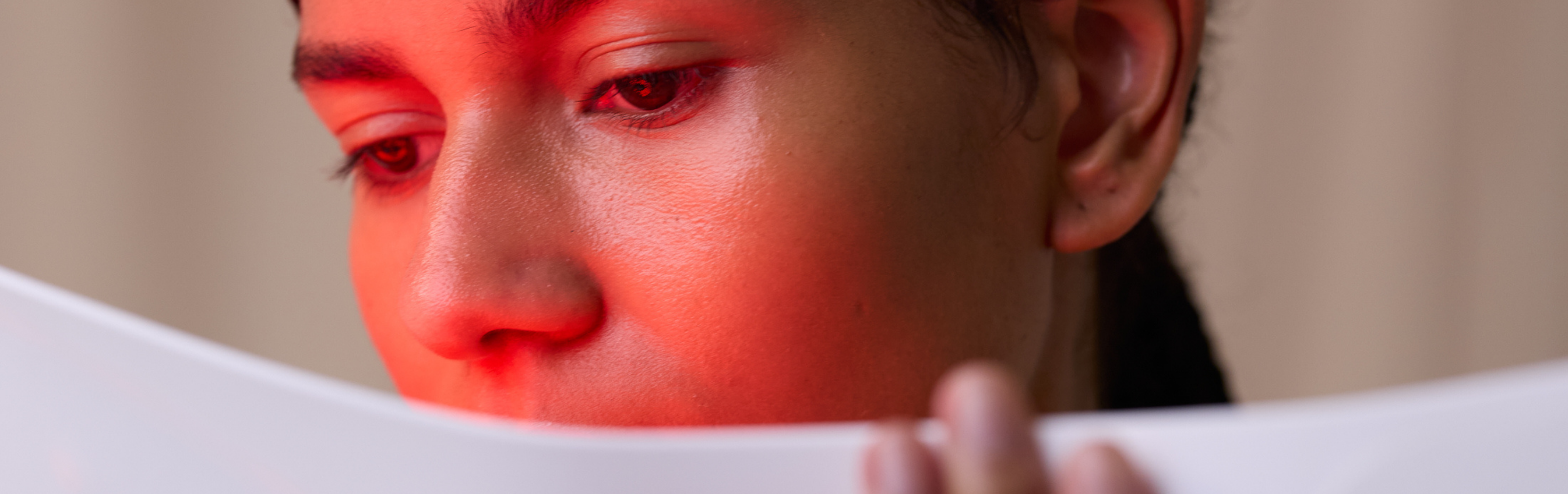
Can Red Light Therapy Help With Migraines?
Migraines can be debilitating, and contrary to popular belief, they aren’t just a ‘bad headache’. They affect 12% of the population in the US, and women are three times more likely to experience migraines than men. Red Light Therapy is a safe, non-invasive method to ease the symptoms of migraines, and used correctly, can help to decrease the frequency of these attacks.
IN THIS ARTICLE
- 01 What are migraines?
- 02 What are the different types of migraines?
- 03 What are the common causes of migraines?
- 04 Can Red Light Therapy Help with Migraines?
- 05 What the research shows
- 06 Are there any side effects of Red Light Therapy?
- 07 How to use Red Light Therapy at Home?
- 08 The Takeaway
What are migraines?
Migraines are considered a neurological disorder that may also have a genetic component. They can affect one’s vision, causing dizziness, nausea, and alter brain activity in pain pathways. There isn’t a clear reason why migraines occur.
They often cause severe, throbbing pain and can be worsened with movement, light, and scents, depending on the individual. These episodes, often referred to as ‘migraine attacks’, can last from hours to days and affect the person’s daily life and activities. Pain during a migraine occurs as the nerves become over-sensitive and the blood vessels in the brain enlarge.
What are the different types of migraines, and how do they affect light sensitivity?
There are a few different types of migraines, according to the Headache Classification Committee of the International Headache Society (IHS), with the most common ones being:
- Migraine without aura: A recurring headache attack lasting from four to 72 hours, with moderate to severe intensity. Nausea, light, and sound sensitivity may occur. This is the most prevalent type, accounting for 75% of cases.
-
Migraine with aura: Visual, sensory, speech, or vision disturbances that last a few minutes and up to one hour, usually occurring before the start of the migraine attack.
- Hemiplegic migraine: A rare subtype of migraine with aura, which causes temporary weakness on one side of the body, which can mimic a stroke. Individuals need to be checked out by a doctor to ensure it is, in fact, a migraine.
- Chronic migraine: A headache that occurs on 15 or more days in a month for more than three months.
What are the common causes of migraines?
Migraines are influenced by a variety of triggers and other underlying factors, but their direct cause isn’t known. It is believed that genetics, environmental factors, and brain chemistry influence the appearance of migraines.
For chronic migraines, stress and/or hormones are the most common culprits, explains Dr. Eleonora Fedonenko, dermatologist and medical director of Your Laser Skin Care.
Generally, the triggers connected with migraines include stress, hormones, dehydration, skipping meals, unregulated blood sugar, alcohol, bright lights, strong scents like perfumes, and even weather changes. Each person has different triggers, which may change during different life stages.
Can Red Light Therapy Help with Migraines?
There are promising results when it comes to LED light therapy for pain management, but more research is required. The evidence is limited, explains Dr. Wall, with small trials done suggesting a reduction in headache frequency and intensity.
While there are proven methods that provide immediate relief for acute pain, like certain medications, red light therapy can be an excellent natural and non-invasive solution to support migraine sufferers in providing long-term relief.

Overall, red light therapy is shown to reduce inflammation by decreasing cytokine production and increasing anti-inflammatory cytokine production. Despite the limited research available for red light therapy and migraines, it’s a low-risk and easy-to-use complementary therapy.
What the research shows
In a nutshell, LED light therapy acts on the cellular mitochondria, the body’s power plant, helping them to produce more adenosine triphosphate (ATP). This increase in cellular energy can help the body reduce inflammation, improve repair and tissue healing, modulate pain pathways, reduce stress, and improve blood flow regulation. “Some research suggests that it (red light therapy) reduces neuroinflammation, improves blood flow regulation in the brain, helps modulate pain pathways, reduces stress in the brain, particularly oxidative stress, and increases ATP production, which is energy in the brain,” says Dr. Wall.
While every individual is different, in the clinic, Dr. Fedonenko has seen a reduction in inflammation and migraine frequency of about 20% for her patients treated with 635nm red light devices. “I began to suggest alternatives such as red light therapy (for migraines). With this, the patients begin to notice changes within weeks,” she notes.

This routine will increase the cells' energy production and reduce the number of attacks, without the need for traditional medication, which often has other side effects.
A 2026 study, conducted by the University of Utah, shows positive results in reducing head inflammation post-head trauma in football players. While they weren’t researching migraines, the reduction in neuroinflammation can apply to both cases.
Are there any side effects of Red Light Therapy?
Red light therapy is generally safe when used according to guidelines. It’s important to ask your doctor about it, especially for anyone with epilepsy, pregnancy, or photosensitivity, or if you are taking any medications that can render you photosensitive.
The most common side effects are mild, light skin irritation, slight warmth, or redness.
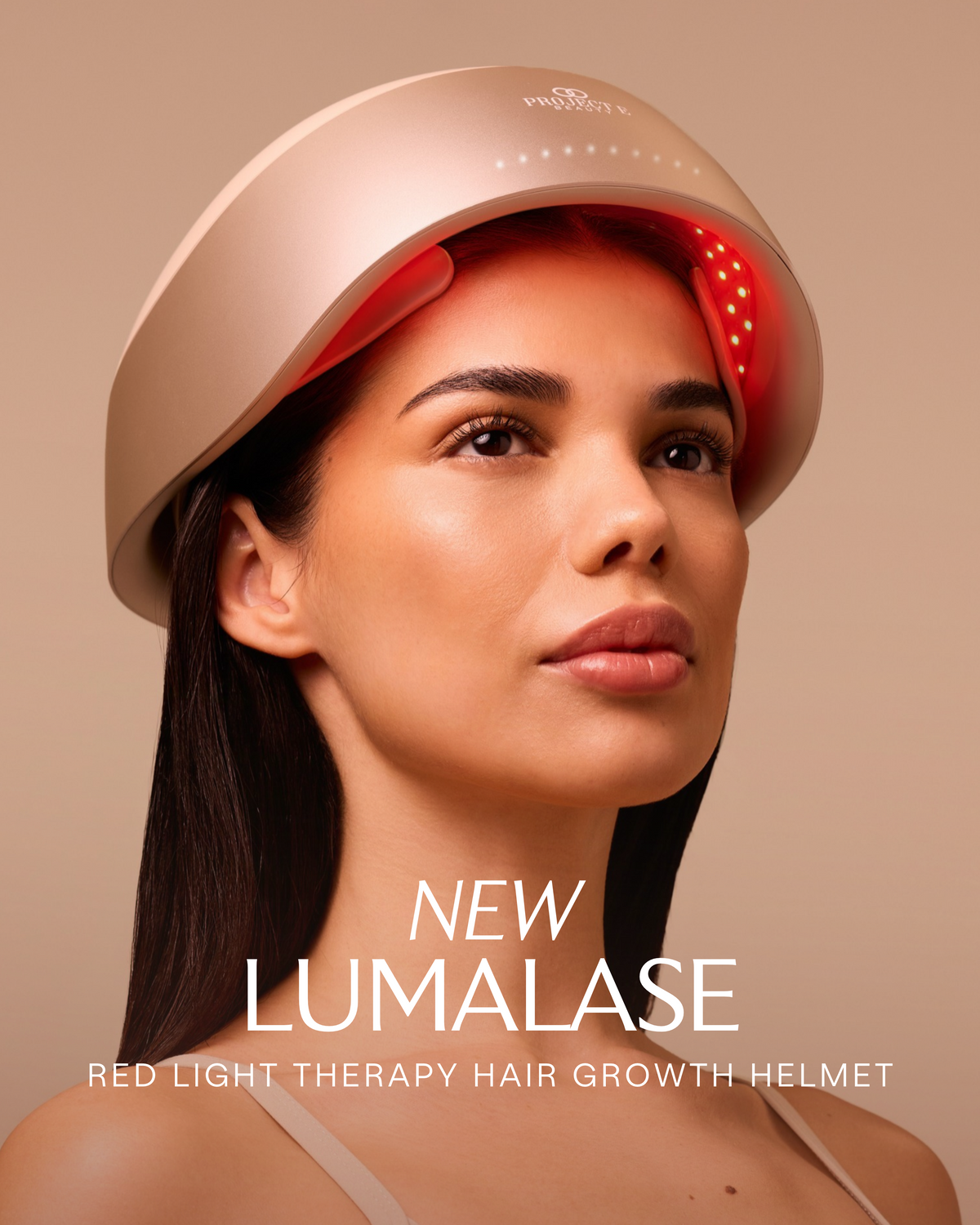
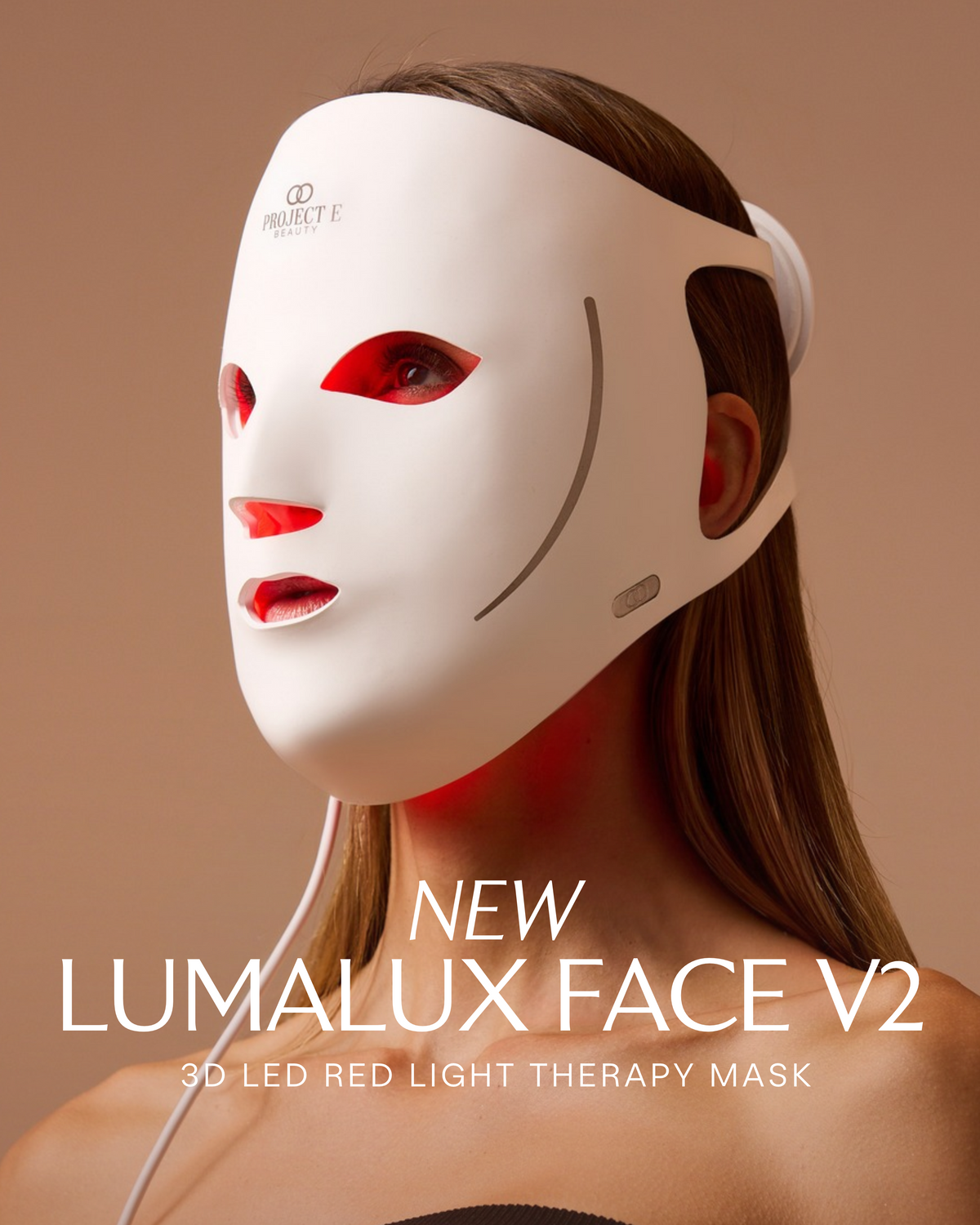
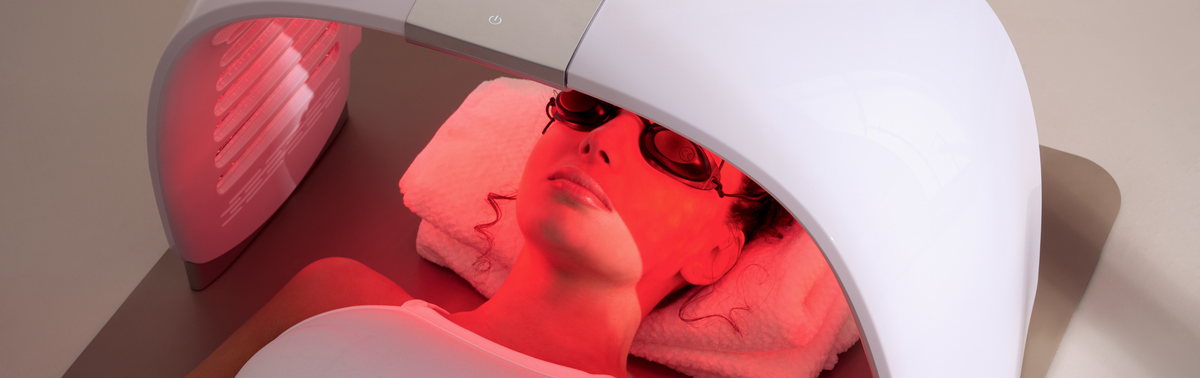
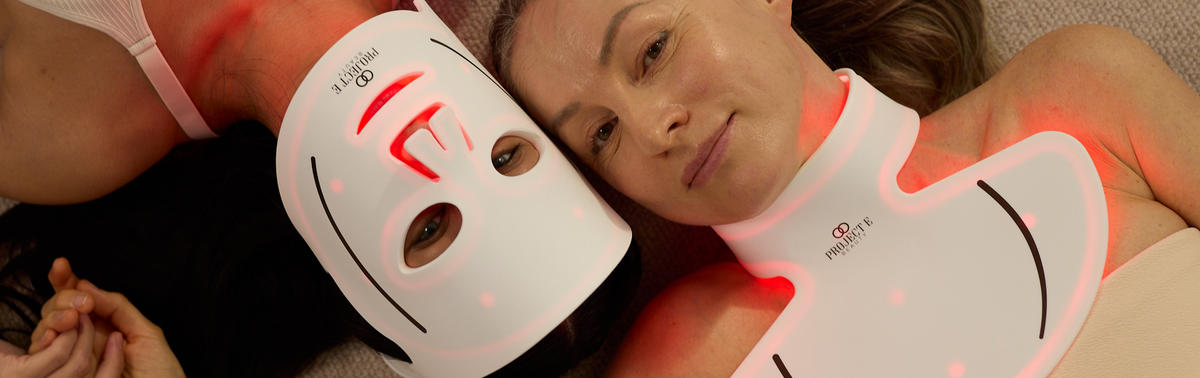
If you feel any heat or irritation, reduce the treatment time or increase the distance between the device and the treatment area. When using a device near your face, use the appropriate eye protection. Some of the devices we recommend for migraine relief are the LumaLux Face+ Pro LED Light Therapy Face & Neck Mask, LED panels like the Alora Age Renewal LED Panel, and the LumaLux Dome Face & Body LED Light Therapy Device, which can be used on the whole body to target a variety of concerns. And all come with their own eye protection goggles or features.
How to use Red Light Therapy at Home?
 While at-home devices aren’t as strong as in-clinic ones, with correct and consistent usage, the results are very promising.
- Invest in a device that suits your specific needs with the correct wavelengths that help to support overall cellular health.
- Cleanse your skin thoroughly when applying directly to the face. For migraine support, place the device near the temple area.
- Start slow, with a maximum of 10 minutes per area, around 3-4 times per week for about a month. Note how the treatment affects your migraines and increase or decrease treatment frequency accordingly.
Remember, consistency is where the best results happen!
The Takeaway
While research is somewhat limited, using a red light therapy device as part of your daily routine may help you manage migraine symptoms and reduce inflammation when used consistently.
Since there are no major risks or side effects, red light therapy is a safe and easy-to-use solution that can work complementarily in the management of migraines. It may offer pain relief, but it cannot treat, cure, or prevent migraines. (Always consult your healthcare professional before commencing any at-home treatments, especially if you experience new symptoms that haven’t been assessed by a doctor.)
Your Laser Skin Care



Leave a comment
This site is protected by hCaptcha and the hCaptcha Privacy Policy and Terms of Service apply.